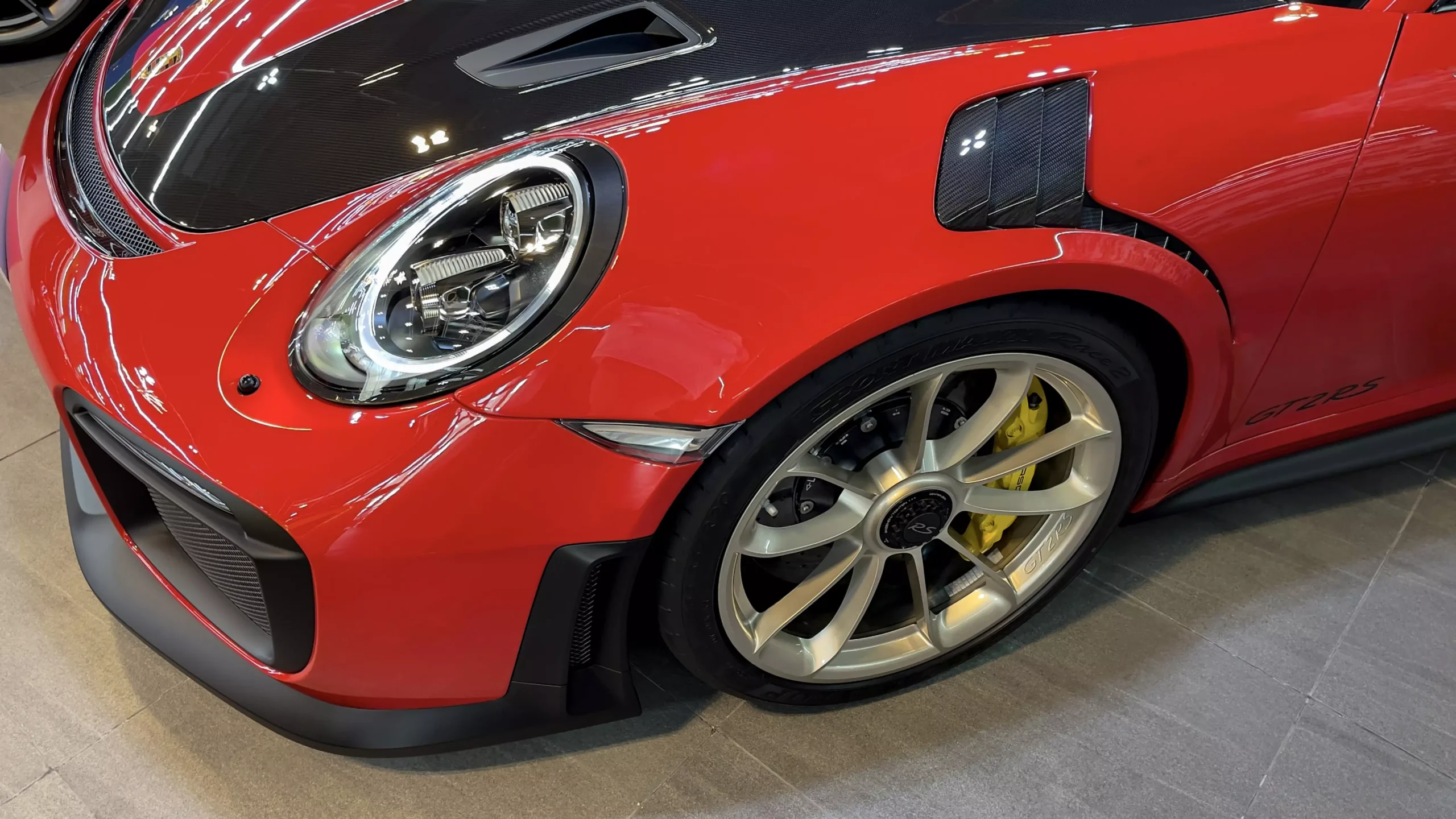
The Pinnacle of Porsche: Unveiling the 911 GT2
The Porsche 911 GT2 sits at the summit of the iconic 911 lineup, blending raw power with precise engineering. In the world of luxury sports cars, this model commands respect thanks to its breathtaking speed, advanced technology, and motorsport pedigree.
Moreover, many car enthusiasts know the GT2 as the ultimate expression of rear-engined performance. However, its legend continues to evolve with each generation.
Model Evolution and Rare Editions
From its debut in 1993, the 911 GT2 has continually pushed boundaries. The first-generation 993 GT2 emerged as a homologation special—built to conquer international races and to satisfy road-legal requirements. With just a handful produced, this model remains one of the rarest and most desirable classic Porsches.
In contrast, the 996 GT2 introduced water-cooling and formidable turbo power, catapulting the GT2 into the 21st-century supercar conversation. Therefore, collectors and drivers alike sought its exhilarating combination of lightweight design and power.
The 997 GT2 RS took things even further, slashing weight with carbon fiber and amping up output to 620 horsepower. As a result, it set benchmarks for road-going performance. Meanwhile, the 991 GT2 RS arrived as a bold statement—delivering 700 horsepower and setting the Nürburgring lap record for production cars.
- 993 GT2 – Air-cooled, iconic homologation
- 996 GT2 – Turbocharged, water-cooled innovation
- 997 GT2 RS – First use of RS badge, lightweight focus
- 991 GT2 RS – 700hp, Nürburgring record breaker
Engineering Mastery and Performance
The GT2 has always been about maximizing the 911 platform’s capability. Therefore, Porsche engineers select the most powerful turbocharged engines, reduce weight, and fine-tune aerodynamics for each model.
Consequently, the 993 GT2 used a 3.6-liter twin-turbo engine, while modern versions feature a 3.8-liter flat-six with cutting-edge forced induction. Meanwhile, extensive use of aluminum, magnesium, and carbon composites ensures agility and responsiveness.
For example, the 991 GT2 RS achieves 0-100 km/h in just 2.7 seconds, thanks to a 7-speed PDK dual-clutch gearbox and active aerodynamics. In addition, Porsche equips the GT2 with dynamic chassis systems including rear-wheel steering and carbon-ceramic brakes.
- Turbocharged flat-six engine
- Aluminum and carbon-fiber construction
- Active rear-wheel steering
- PDK dual-clutch transmission
- Porsche Ceramic Composite Brakes (PCCB)
Motorsport and Performance Pedigree
However, the racing roots of the GT2 are core to its prestige. The earliest road cars mirrored FIA regulations, turning racing technology into thrilling street performance. Similarly, the GT2 continues to inspire Porsche’s GT3 Cup and RSR programs worldwide.
Furthermore, the GT2 RS Clubsport, launched in limited numbers, focused purely on track performance. Without any concessions for road use, it features a roll cage, racing seats, telemetry, and aerodynamic upgrades borrowed straight from Porsche’s competition cars.
Interior Craftsmanship and Tech
Stepping inside a 911 GT2, drivers find a cockpit that balances minimalism with sophistication. Carbon fiber bucket seats wrap around the driver, keeping weight low while hinting at motorsport DNA.
In addition, Porsche offers the Weissach Package for the GT2 RS, reducing weight further by replacing panels and wheels with magnesium and carbon composites. Meanwhile, the standard infotainment system provides clear, intuitive controls and optional Bose or Burmester audio for those who enjoy crisp sound to accompany the flat-six soundtrack.
Similarly, the digital instrument cluster gives drivers access to performance data, tire pressures, and lap times at a glance.
Comparison With Rivals: The GT2 vs. The World
The GT2’s market position squares it against automotive juggernauts like the McLaren 720S, Ferrari 488 Pista, and Lamborghini Huracán Performante. Therefore, buyers must consider what distinguishes the Porsche from these rivals.
For example, the 911 GT2 RS delivers faster lap times than many competitors while offering a purer, rear-wheel drive experience. In contrast, most rivals rely on mid-engine configurations or all-wheel drive. Moreover, Porsche’s focus on driver involvement and chassis balance sets the GT2 apart.
Collector Appeal and Resale Value
Due to their limited production and motorsport accomplishments, GT2 models tend to hold or even appreciate in value. For instance, well-cared 993 or 997 GT2 and RS variants have seen dramatic rises in price on the classic and exotic used car market.
Meanwhile, trending_keyword entries at https://douradocars.com/stock/ frequently reflect the consistent demand for the GT2 in both classic collections and high-performance garages.
Furthermore, a detailed service history and factory-original specification boost a car’s desirability. For buyers after the rarest examples—like the 991 GT2 RS with the Weissach Package—prices often exceed original MSRP by significant margins.
Regional Insights: 911 GT2 in Dubai and the Middle East
Dubai’s competitive supercar market has long embraced the 911 GT2 for its status and uncompromising speed. Moreover, the city’s hyper-modern roads and enthusiasm for limited-edition exotics make it a hotspot for rare GT2 listings.
Therefore, buyers scour trending_keyword dealers such as Dourado Luxury Car Showroom, seeking pristine, low-mileage specimens. Similarly, international collectors monitor the market in the Gulf region, where climate-controlled storage and strong demand drive robust resale activity.
Technology Roadmap: The Future of the GT2
Porsche engineers continually explore new ways to evolve the GT2 without compromising its essence. As a result, hybrid systems and lightweight technologies could play a role in future models. However, Porsche remains focused on preserving rear-drive purity and driver engagement.
Moreover, advances such as torque vectoring, active suspension management, and wider use of carbon composites point toward upcoming 911 GT2 innovations.
Ownership Experience: What to Expect
Owning a 911 GT2 delivers daily thrills and peerless track satisfaction. However, proper maintenance is critical, especially regarding brakes, tires, and engine internals. Similarly, scheduled service visits must account for GT2-specific wear and performance tolerances.
Therefore, Porsche’s global dealer network supports GT2 owners with factory-trained technicians and dedicated parts. Many drivers join GT club events to enjoy the GT2’s potential in controlled environments. Meanwhile, online forums and ownership communities provide invaluable resources for troubleshooting and upgrades.
For a quick visual overview, watch the video.
Final Thoughts: The Unstoppable Legacy of the 911 GT2
The 911 GT2 remains a beacon of Porsche prestige, pushing the envelope for what a luxury supercar can accomplish. Therefore, whether you seek the ultimate in speed, the thrill of exclusivity, or long-term collecting potential, the GT2 continues to lead the way.
For drivers and collectors eager to experience a rare blend of heritage and innovation, current listings at Dourado Cars offer an unmatched selection. In summary, the 911 GT2’s legacy grows ever more compelling with each passing year.