

The UAE's pre-owned market moves fast, and with so many tempting listings online, it is easy to get swept up before doing the proper checks. If you are planning to buy a used or second-hand car in the UAE, the difference between a smart purchase and a costly mistake usually comes down to five simple habits: verifying history, inspecting condition, understanding specification, choosing a reputable seller, and negotiating with facts rather than emotion. This guide walks through each one, using our own showroom as a practical example of what a well-documented, well-presented used car should look like.
Dubai's climate, driving conditions and re-export culture make the local market genuinely different from Europe or the US, which is exactly why buyers benefit from working with an established, GCC-focused dealership rather than a random private seller. Browsing a curated luxury cars for sale in Dubai selection gives you a clearer sense of fair market condition and pricing before you commit to anything.
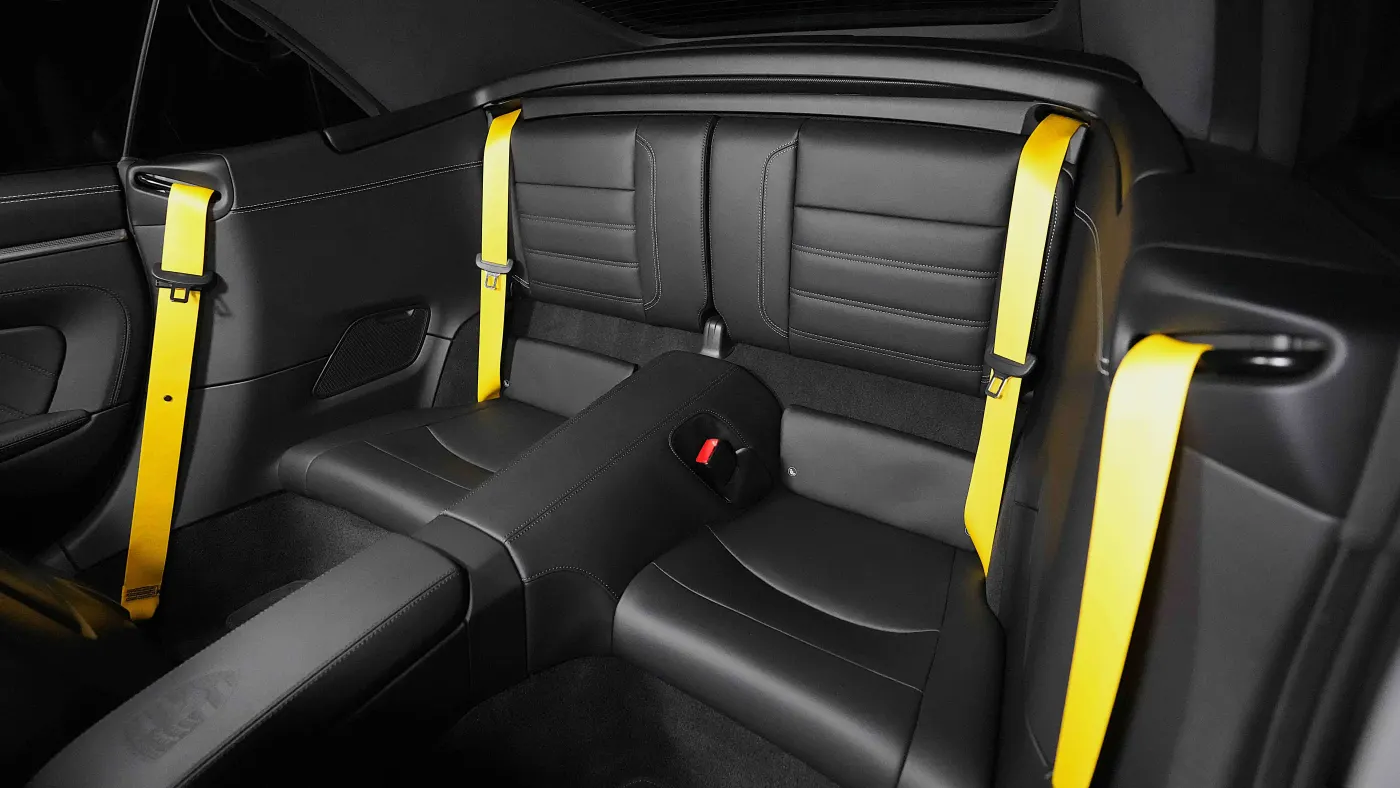
To illustrate what a properly presented used car looks like, take our 2024 Porsche 911 Turbo S Cabriolet in Crayon. It carries the marque's 3.7-litre twin-turbo flat-six producing 640hp, paired with all-wheel drive and a folding roof, and it is the kind of car where full documentation and honest condition reporting matter enormously given the performance on offer. If you prefer a fixed-roof example instead, our second 911 Turbo S Cabriolet in stock is another well-kept reference point for what a properly sorted used Turbo S should present like.
1. Always verify the service and ownership history
A used car is only as good as its paper trail. Before agreeing on anything, ask for full service records, previous ownership details, and any accident or insurance history. In the UAE, a car's RTA registration card and chassis number can be checked to confirm it matches the paperwork on offer. Genuine dealerships will have no hesitation sharing this information; if a seller is vague or reluctant, treat that as a warning sign rather than a minor inconvenience.
2. Inspect for UAE-specific wear, not just mileage
Mileage alone tells you very little in this market. The UAE's heat, sand exposure and stop-start city driving can age rubber seals, air-conditioning systems, and paintwork faster than in milder climates, regardless of the odometer reading. Have an independent inspection carried out on the air-con compressor, tyres, brakes and underbody, and pay close attention to whether the car has spent its life on GCC roads or was imported after use elsewhere. A car that has been properly serviced and garaged locally will usually hold up far better long term than one with an unclear import history.
3. Understand GCC specification versus other import specs
Not every used car sold in the UAE was originally built for the region. GCC-specification vehicles are engineered for higher ambient temperatures, often with reinforced cooling systems and trim suited to local conditions, whereas grey imports from the US, Europe or Japan can differ meaningfully in cooling capacity, electronics and even warranty eligibility. When comparing two similar cars, always ask directly about the original specification rather than assuming from badge or trim alone, since this affects both comfort and resale value down the line.
4. Buy from a dealership with a track record, not just a listing
Private sales can occasionally offer a lower asking price, but they rarely offer the same accountability as an established showroom. A reputable dealer will have already inspected, serviced and often warrantied the car, and will be transparent about its history because their reputation depends on it. Exploring a dedicated Porsche collection from a specialist dealer, for example, gives you the chance to compare multiple examples of the same model side by side, from a 718 Boxster to a 911 GT3 RS, rather than relying on a single unverified listing.
5. Negotiate on facts, not just feeling
Once you have the service history, inspection report and specification confirmed, negotiation becomes far more straightforward. Reference comparable listings, note any upcoming service intervals or tyre replacements, and use documented condition, not guesswork, to justify your offer. A seller who has already done the legwork on documentation will typically be more open to a fair conversation than one hoping a buyer won't ask too many questions.
It is also worth remembering that manufacturer resources remain useful even after a car has left the factory. Porsche's own site, for instance, still lists official specifications and model histories that are handy for cross-checking a used example; you can find the current model range at porsche.com. Cross-referencing details this way takes only a few minutes and can save considerable disappointment later.
Buying a used or second-hand car in the UAE does not need to be a gamble when you approach it methodically. If you would like to see how a well-documented example should look and feel in person, we welcome you to visit our showroom in Al Quoz or explore our full inventory online, including the current Porsche 911 Turbo S Cabriolet discussed above and several other Porsche models ready for viewing.