
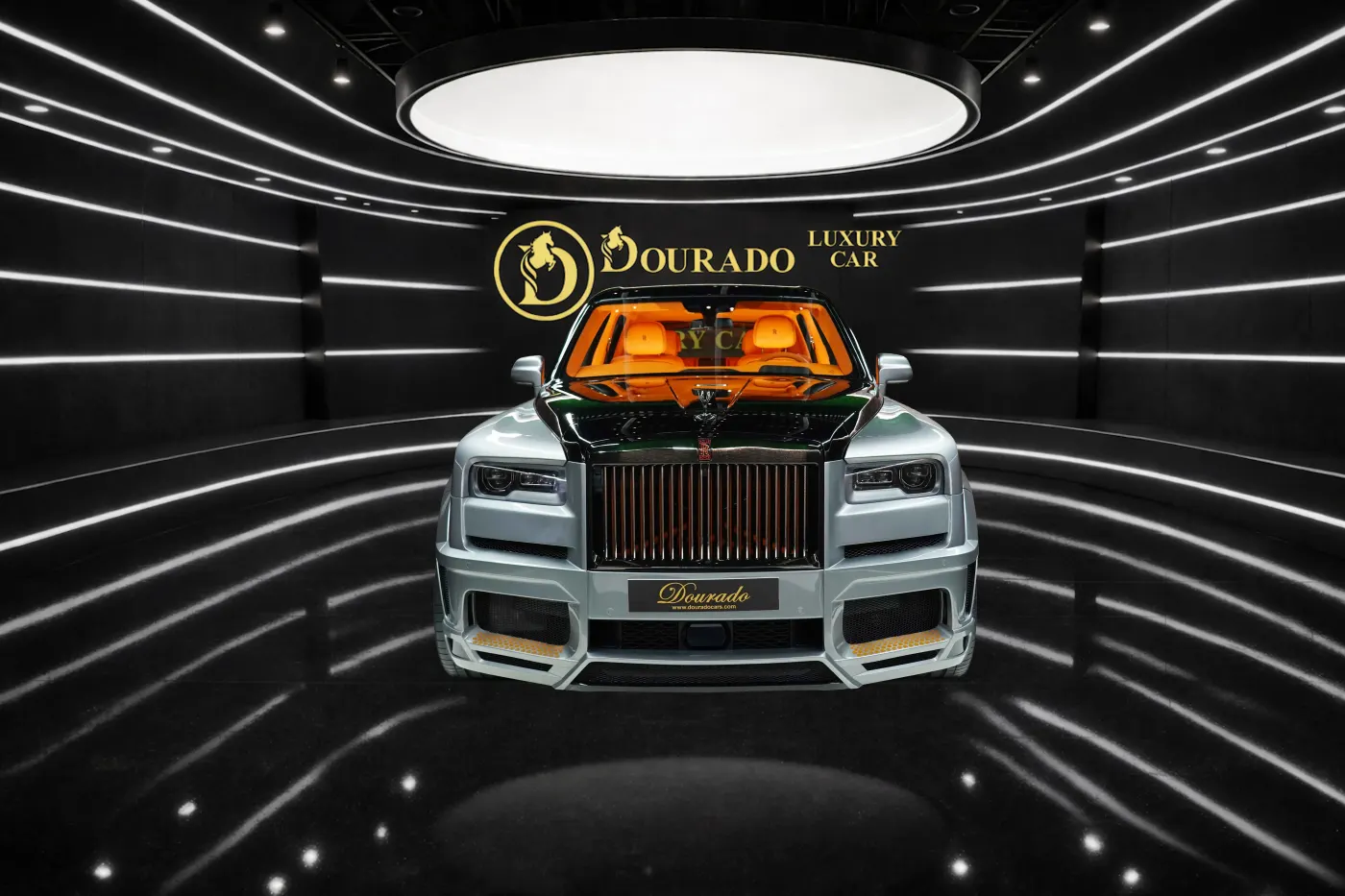
A low-mileage Ferrari with a flawless cabin can still carry a history that changes its value, insurability, and future resale appeal. To verify luxury car provenance properly, look beyond the paintwork, badge, and option list. The real question is whether the vehicle’s story is complete, consistent, and supported by documents that stand up to scrutiny.
For an ultra-luxury SUV, limited-edition supercar, or bespoke model, provenance is not a minor detail. It is part of the vehicle itself. A clean, documented ownership and service trail can protect the driving experience and support stronger market confidence when it is time to sell. Gaps, conflicting records, or unclear modifications deserve answers before a buyer commits.
What Luxury Car Provenance Actually Means
Provenance is the verified history of a vehicle from its original delivery to its current presentation. It includes more than the number of previous owners. A credible file should establish the car’s identity, market origin, service history, accident and insurance history where records are available, mileage progression, specification, and major alterations.
This matters at every level of the market, but the stakes rise with high-value vehicles. A Rolls-Royce with its original bespoke specification and authorized maintenance history may command a different level of attention than an otherwise similar example with undocumented changes. A Lamborghini or Porsche may look exceptional after cosmetic work, yet hidden structural repairs, track use, flood exposure, or an inconsistent mileage trail can materially affect the ownership decision.
Provenance does not mean a vehicle must be untouched. An expertly repaired panel, a documented engine rebuild, or a recognized Novitec enhancement is not automatically a concern. The issue is disclosure and quality. The right records explain what happened, who performed the work, and whether the result protects the car’s integrity.
Start With the VIN, Not the Listing Photos
Every serious review begins with the vehicle identification number. Compare the VIN shown in registration documents, service paperwork, and vehicle-history records against the VIN physically present on the car. Depending on the model, it may appear at the base of the windshield, on a door jamb, under the hood, or in manufacturer-specific locations.
The VIN should confirm the correct model year, engine type, body style, and production information. It should also align with the vehicle’s stated origin. A car imported from another market can be an excellent purchase, especially when professionally prepared and fully documented, but it may have a different factory specification from a local-market vehicle. Climate equipment, navigation, lighting, emissions equipment, warranty eligibility, and speedometer configuration can all vary.
Ask for the original build sheet or manufacturer specification where possible. This is particularly valuable for special-order Bentley, Mercedes-Maybach, Ferrari, and Rolls-Royce vehicles, where paint, interior materials, carbon-fiber options, rear-seat configurations, and bespoke details often influence desirability. The build sheet confirms whether the vehicle is presented as it left the factory or has been changed later.
How to Verify Luxury Car Provenance Through Documents
Documents should tell one coherent story. A single invoice is useful, but a sequence of records over time is far more persuasive. Review dates, mileage readings, workshop names, descriptions of work performed, and ownership transitions. If mileage rises logically from one record to the next, the history becomes easier to trust. If the file shows long unexplained gaps or a later record with lower mileage, pause and investigate.
A well-supported provenance file commonly includes:
- Original registration or title documentation and export papers where applicable
- Manufacturer service records, dealer invoices, and maintenance schedules
- Vehicle-history reports from relevant markets and insurance or repair records when available
- Factory build sheet, warranty information, and recall completion records
- Invoices for approved upgrades, paint-protection film, ceramic coating, tires, brakes, or major mechanical work
Not every vehicle will have every document. A collector car may have older records that are incomplete. A recently imported vehicle may have a different documentation format from its previous country. That does not automatically reduce its appeal, but the price, warranty position, and risk assessment should reflect what can and cannot be confirmed.
Pay close attention to the name on invoices. Authorized dealer servicing often provides the clearest trail, particularly during warranty years. However, specialist workshops can also be highly credible when they are known for a specific marque and provide detailed records. A vague line reading “service completed” carries less weight than an invoice that identifies fluids, filters, diagnostic findings, parts, and mileage.
Check Accident History With the Right Level of Context
“Accident-free” is a powerful claim, but buyers should understand what it means and how it was established. Vehicle-history reports can reveal reported collisions, title branding, total-loss events, theft records, or prior sales activity. They are useful screening tools, not final proof. Reporting standards differ between countries, and some incidents never appear in a database.
The physical inspection matters just as much. A qualified luxury-car technician can assess paint depth, panel alignment, underbody condition, chassis areas, suspension components, airbag systems, and diagnostic fault history. On vehicles with carbon-fiber structures or aluminum-intensive construction, repair quality should be evaluated by someone who understands the manufacturer’s repair methods.
A minor cosmetic repair is not equivalent to structural damage. Stone-chip correction on a regularly driven Porsche may be entirely reasonable. Replacement of a front bumper can also be routine. The concern is whether the seller can explain the work, show supporting invoices, and demonstrate that no safety-critical or structural issue remains.
Flood exposure deserves particular caution, especially with modern vehicles loaded with modules, sensors, cameras, adaptive lighting, and complex infotainment systems. Musty odors, corrosion beneath seats, inconsistent electronics, or unusually fresh interior trim can justify deeper inspection. A polished exterior cannot compensate for hidden electrical risk.
Confirm Mileage, Usage, and Maintenance Needs
Luxury-car mileage is not just a number on the instrument cluster. It must make sense against the service timeline, inspection records, tire dates, brake wear, interior condition, and overall presentation. Extremely low mileage can be attractive, but a car that has spent long periods unused may require attention to tires, seals, fluids, batteries, and other age-sensitive components.
Usage also shapes value. A weekend-driven grand tourer, a chauffeur-focused sedan, and a performance car used on track will have different wear patterns. Track use is not necessarily disqualifying for a purpose-built sports car, provided maintenance has been diligent and modifications are transparent. For some collectors, originality matters more. For others, professionally executed performance enhancements add appeal. It depends on the model, the quality of the work, and the buyer’s intended use.
Check whether any modification affects factory warranty, emissions compliance, insurance requirements, or future serviceability. Branded aftermarket work with complete invoices and correct installation can be desirable. Unidentified tuning, removed emissions equipment, or nonstandard wiring should be treated with more caution.
Match the Inspection to the Vehicle’s Value
At this level of ownership, an independent pre-purchase inspection is not an inconvenience. It is a disciplined final check. The inspection should include diagnostics, road testing where appropriate, paint and body evaluation, a lift inspection, brakes and tires, fluid leaks, battery condition, cooling systems, suspension, and confirmation that installed options operate correctly.
For rare, limited-production, or highly customized vehicles, use an expert familiar with that marque and configuration. A general inspection may identify obvious issues, but a marque specialist is more likely to recognize model-specific warning signs, expensive deferred maintenance, unusual specification discrepancies, or aftermarket work that does not meet the expected standard.
Buyers should also request clarity on what accompanies the sale: keys, charging equipment for hybrid or electric models, owner’s manuals, service booklets, accessories, warranty coverage, and available maintenance support. Replacing missing items can be costly, while a complete handover reinforces confidence in the vehicle’s care.
Buy the Story, Not Just the Specification
The strongest luxury vehicles make verification feel straightforward. Their records align, their condition supports the mileage, their specification is clear, and their sellers are prepared to answer detailed questions without hesitation. That is the standard discerning buyers should expect.
At Dourado Luxury Cars, direct ownership of showroom-ready inventory and detailed vehicle presentation help buyers assess exceptional vehicles with greater confidence before moving forward. Still, every serious purchase deserves its own careful review. Choose the car whose history is as impressive as its presence, because the best ownership experiences begin long before the first drive.