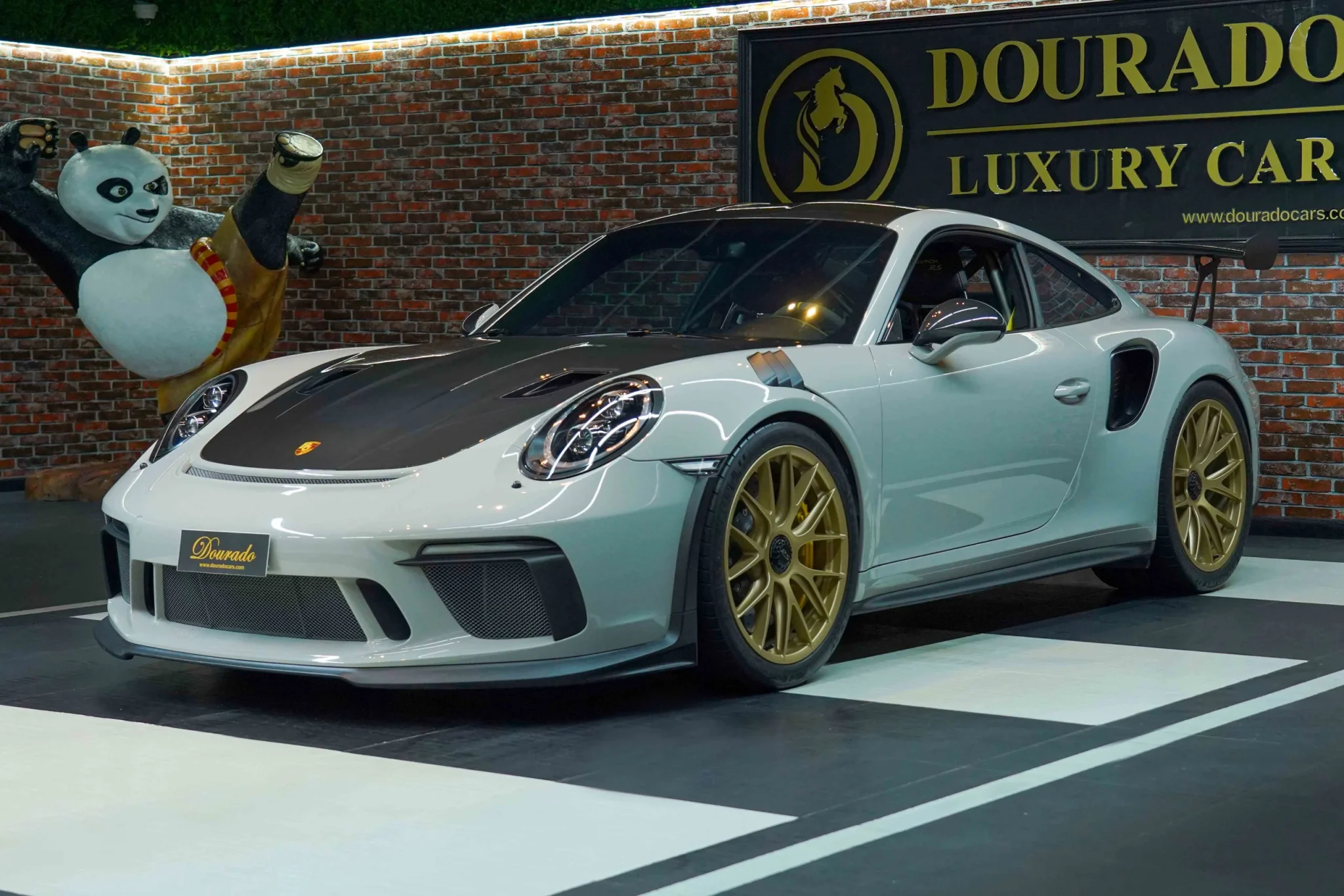
Introduction: The Unstoppable Spirit of the Porsche GT3 RS
The Porsche GT3 RS stands as one of the most celebrated icons in modern supercar culture. This model continues to push the boundaries of what’s possible on both the track and the road, offering a blend of motorsport heritage, cutting-edge technology, and timeless design. Whether you’re an avid enthusiast or a serious collector, the GT3 RS never fails to deliver excitement.
Furthermore, the GT3 RS is not just about headline numbers. It embodies Porsche’s continual drive to innovate and refine their 911 platform for racing. So let’s break down what makes the Porsche GT3 RS so distinctive in the automotive world.
Model Evolution and Rare Editions
Looking back on the evolution of the Porsche GT3 RS, every generation marks a leap in performance and engineering. The first GT3 RS appeared in the early 2000s as a lighter, sharper version of the 996 GT3, sporting a unique livery and an immediate cult following.
Subsequently, Porsche released the 997 GT3 RS, which further embraced weight-saving measures and new suspension designs. Meanwhile, the 991 generation took aerodynamics to another level, introducing more aggressive bodywork and active features.
Rare editions, such as the 997 GT3 RS 4.0, are especially coveted for their unique engines and limited builds. In contrast, the current 992 GT3 RS ramps up technology even further, offering track-focused aerodynamics and an imposing, functional rear wing previously seen only on race cars.
Timeline: Major Milestones
- 2003: Launch of the 996 GT3 RS – first of its kind.
- 2006: Introduction of the 997 GT3 RS, with lighter components.
- 2011: 997 GT3 RS 4.0, extremely low production and naturally aspirated flat-six.
- 2015: 991 GT3 RS debuts with advanced aerodynamics.
- 2022: The latest 992 GT3 RS redefines the genre with cutting-edge set-up.
Engineering and Performance: Chasing Perfection
Performance remains the heart of the GT3 RS philosophy. Each model features a high-revving, naturally aspirated engine designed for maximum thrills. Notably, the 992 GT3 RS brings a 4.0-liter flat-six delivering over 518 hp at 9,000 rpm—a breathtaking figure for a non-turbo unit.
Moreover, Porsche fitted the GT3 RS with a seven-speed PDK dual-clutch transmission, allowing rapid gear changes and unrivaled track consistency. As a result, 0-100 km/h comes in just 3.2 seconds, making it one of the quickest cars in its class.
- 4.0-liter naturally aspirated flat-six engine
- 518 horsepower, 465 Nm torque
- 7-speed PDK automatic transmission
- Rear-engine, rear-wheel drive layout
- Porsche Active Suspension Management (PASM)
However, numbers only tell part of the story. The GT3 RS’s sophisticated chassis, aerodynamic detailing, and lightweight construction produce a driving experience that’s direct, communicative, and utterly involving.
Explore Cutting-Edge Technology, Hybrid Systems, and Future Roadmap
Porsche pays keen attention to embedding technology into the GT3 RS without losing its emotive roots. For instance, the 992 GT3 RS uses adjustable rear wings, advanced cooling, and chassis tuning derived from motorsport competition. Drivers can tweak damping and sway bars from the cockpit, reflecting the brand’s racing DNA.
While the GT3 RS remains resolutely non-hybrid for now, Porsche’s expansion into hybrid performance suggests future models may taste the benefits of electrification. For example, think active aero, enhanced torque fill, or battery-powered pit lane operation. Although a hybrid GT3 RS has yet to debut, company insiders suggest sustainable technology integration will continue in Porsche’s road map.
Motorsport and Performance Pedigree
The GT3 RS wears its racing roots proudly on its sleeve. Since its birth, the RS badge has stood for RennSport—German for “racing sport.” The GT3 RS closely mirrors the set-up of Porsche’s GT3 Cup race car, delivering thrilling pace and reliability for those who demand the best.
Consequently, Porsche engineers use lessons learned in GT racing—suspension geometry, rigid chassis mounts, and aggressive aero—to create a car that can run lap after lap without fade.
Car Shows and Motorsport Events
The GT3 RS features prominently at global car show debuts and endurance racing pits alike. For instance, fans eagerly gather each year at the Goodwood Festival of Speed and Geneva Motor Show to witness new GT3 RS versions up close. Meanwhile, countless private owners enter their RS cars into local and international track days, building community and enthusiasm around the brand.
Interior Craftsmanship and Technology
Porsche’s pursuit of lightweight engineering shines through in the GT3 RS’s interior. Bucket seats, extensive Alcantara finishes, and clear analog switchgear create an environment focused on the driving task.
Meanwhile, technology sits within easy reach. The cockpit integrates a digital dash, customizable displays, and Porsche’s advanced Communication Management (PCM) system. Even so, distractions are minimal—everything is designed to support track driving.
In addition, details such as roll cages, harness preparation, and carbon interior panels remind you that this is a true weapon for circuit days.
Comparison With Rivals
Against rivals like the Ferrari 488 Pista and Lamborghini Huracan STO, the Porsche GT3 RS stands out for its purist appeal. While competitors use turbocharging or all-wheel drive, Porsche sticks with a naturally aspirated engine and precise, communicative steering.
Similarly, the GT3 RS’s transparency and balance make it a favorite for skilled drivers who crave the last word in feedback and control. It may lack some of the outright horsepower of its Italian rivals, but rewards commitment and driver skill above all else.
Collector Appeal and Resale Value
Long-term, the GT3 RS impresses with retention and collector appeal. Many buyers enjoy years of reliable performance, then profit or break even at resale. Rare variants, such as the 997 GT3 RS 4.0 or specific limited-edition colors, can command huge premiums on the secondary market.
For example, market insights show that lightly used GT3 RS models often sell above their original price—rare for modern exotic cars. Therefore, the GT3 RS represents one of the safest supercar investments when considering total cost of ownership.
Regional Market Insights: The Dubai Perspective
In the Middle East, especially Dubai, the GT3 RS has become a favorite among discerning enthusiasts who value performance and exclusivity. Porsche offers extensive support in the region, making it easy for drivers to maintain and enjoy their GT3 RS models.
For those seeking the latest availability and exclusive GT3 RS options in Dubai and the GCC, you can browse the latest listings and information at Dourado Luxury Cars. They regularly feature trending_keyword models and rare Porsche editions, helping connect buyers with their dream cars.
Buyer Advice: What to Watch For
If you’re considering a GT3 RS, prioritize vehicles with full Porsche service records and avoid heavily tracked examples unless exceptionally well maintained. Additionally, original paint, rare color codes, and special Weissach packages can dramatically boost long-term value. For up-to-date listings, always check established Porsche dealerships in your preferred region.
Conclusion: Why the GT3 RS Still Rules the Road and Track
Ultimately, the Porsche GT3 RS remains a remarkable definitive for those wanting the purest, most focused 911 experience available. Its combination of precision engineering, motorsport know-how, and long-term value cements its place as an enduring legend in the supercar world. For more information on specific models and trending_keyword availability, don’t miss the latest updates at Dourado Cars.
For a quick visual overview, watch the video.
Frequently Asked Questions
- Is the GT3 RS road legal worldwide?
- How does the GT3 RS differ from the standard GT3?
- What factory options most influence resale value?
In summary, few cars blend engineering, soul, and bragging rights quite like the Porsche GT3 RS. Whether admired from afar or driven in anger, it’s a true automotive masterpiece.