
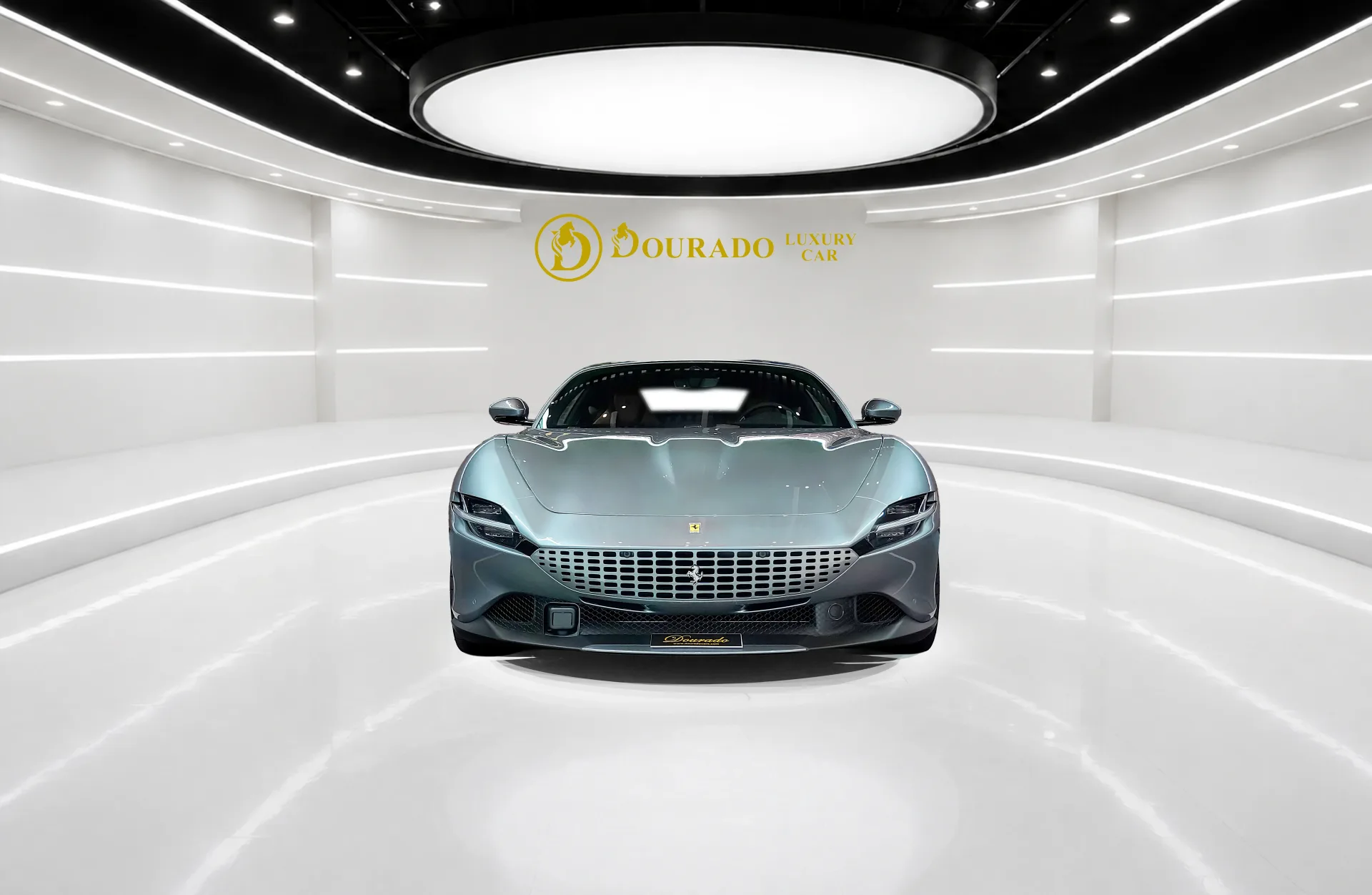
A flagship luxury vehicle can lose a meaningful share of its original price before its first owner has fully enjoyed the first service interval. Yet a low-mileage Ferrari with the right specification, a Rolls-Royce with elegant bespoke details, or a limited-production Lamborghini can tell a very different story. This luxury car depreciation guide is designed for buyers who see the purchase as both a personal statement and a decision worth evaluating carefully.
Depreciation is not a verdict on whether a vehicle is desirable. In the ultra-luxury market, it is often the price of being first to commission a new model, select every option, and enjoy the newest design and technology. For the informed buyer, it also creates access to exceptional cars at a compelling point in their ownership cycle.
What Luxury Car Depreciation Really Means
Depreciation is the difference between a vehicle's original transaction price and what the market is prepared to pay for it later. It is influenced by far more than age and mileage. Brand position, production volume, model updates, specification, condition, ownership history, and local demand can all move the number.
A high-volume luxury SUV may decline predictably as newer model years arrive. A rare, naturally aspirated supercar or a special-series grand tourer may hold much more firmly because replacement is not simple. Some vehicles even appreciate over time, but that outcome is the exception, not a sensible default assumption.
The crucial distinction is between depreciation on paper and the true cost of ownership. A vehicle purchased after its steepest early decline may offer a far lower cost over the next few years than a new vehicle bought at full retail. That is why seasoned collectors do not ask only, “What will this car be worth?” They ask, “How much value is likely to move during the period I plan to own it?”
The Luxury Car Depreciation Guide: What Moves Value
Brand and model positioning
Prestige matters, but it is not enough on its own. Models with an established global following, a clear design identity, and a loyal enthusiast base generally have a deeper resale audience. Ferrari's limited-production models, Porsche GT vehicles, certain Mercedes-Maybach flagships, and highly specified Rolls-Royce examples can attract buyers long after their launch period.
On the other hand, an expensive new model with a rapid product cycle may face greater pressure once an updated generation arrives. The market tends to favor vehicles that remain instantly recognizable and relevant, not simply those that carried the highest original sticker price.
Production volume and rarity
Rarity can protect value, but only when it is meaningful. A numbered production run, a final edition, a special factory powertrain, or a historically significant configuration can create lasting demand. A rare paint color alone does not automatically make a car collectible.
The strongest examples combine limited supply with broad desirability. A rare model that few buyers want is still a narrow-market vehicle. A scarce vehicle with iconic status, excellent provenance, and the right options can remain highly sought after internationally.
Specification is more than a personal preference
On an ordinary car, a bold interior may be a minor detail. On an ultra-luxury vehicle, specification can change the buyer pool completely. Timeless exterior colors, premium leather combinations, desirable wheels, carbon-fiber packages, rear-seat entertainment, performance options, and factory personalization may all support demand.
The best specification depends on the vehicle. A Rolls-Royce can benefit from a distinguished, highly personal cabin when the execution is elegant. A supercar often performs better with sought-after performance equipment and a color combination that highlights its character. Extreme choices can be exceptional for the right buyer, but they may require more patience at resale.
Mileage, condition, and presentation
Low mileage is valuable because it suggests lower wear, but it is not the entire story. A regularly exercised vehicle with comprehensive maintenance records can be a more confident purchase than an ultra-low-mileage example that has spent years sitting unused.
Condition must support the mileage claim. Paint quality, interior wear, wheel condition, tire dates, service documentation, and diagnostic health all matter. For high-value vehicles, a clean, accurately represented example can command a meaningful premium over a similar vehicle with incomplete history or visible neglect.
Timing and market appetite
Luxury car markets move in cycles. A fresh redesign can place pressure on the outgoing model, while the end of production can make a well-regarded variant more appealing. Economic confidence, regional preferences, exchange rates, and collector demand also affect pricing.
In Dubai, globally recognized models with GCC specifications, clear history, and desirable options often have a strong audience. International delivery also broadens the opportunity for vehicles with rare configurations or collector appeal. Still, timing is never guaranteed. Buyers should choose a car they genuinely want to experience rather than depending on a future price increase.
Where Depreciation Is Usually Steepest
The first years of a new luxury vehicle's life are often the most expensive from a depreciation perspective. The first owner absorbs the transition from a brand-new, factory-ordered vehicle to a pre-owned example, even when the mileage is minimal.
That creates a powerful opportunity for the next buyer. A one- to three-year-old vehicle can retain much of the original visual impact, technology, warranty coverage, and performance while being priced well below its original transaction figure. The exact value depends on the model, but this is commonly the point where a buyer can find a more favorable balance between freshness and cost.
Supercars and ultra-luxury sedans do not follow the same pattern. Some supercars decline sharply at first, then stabilize once the market understands production volume and demand. Some large luxury sedans depreciate more consistently because buyers prioritize having the newest technology. SUVs with strong brand recognition can remain resilient, especially when they combine practicality, performance, and a highly desirable specification.
How to Buy With Resale in Mind
Buying for resale does not mean buying without personality. It means choosing your personal preferences with an awareness of what future buyers may value. Start with the model's market position, then look closely at the individual vehicle.
A disciplined assessment should cover these four areas:
- Original build and options: Review factory equipment, special-order details, and whether the vehicle has the features buyers actively seek.
- History and documentation: Confirm service records, ownership information, warranty status, and any repair or insurance history.
- Physical and technical condition: Inspect paintwork, trim, cabin materials, tires, brakes, electronics, and mechanical health with care.
- Comparable vehicles: Compare like for like by model year, mileage, specification, condition, and provenance rather than relying on broad asking-price ranges.
Avoid paying a premium merely because a vehicle has aftermarket additions. High-quality customization from respected names such as Novitec, Onyx Concept, or Lumma can be extremely appealing when the work is professionally executed and documented. But customization is most valuable when it enhances a desirable vehicle rather than trying to create demand where none exists.
The Value of Buying the Right Pre-Owned Example
A showroom-ready pre-owned vehicle removes much of the uncertainty that can surround a private transaction. The buyer should be able to review the car closely, understand its specification, verify its condition, and make a decision without vague descriptions or surprises after delivery.
This is particularly valuable in the exotic market, where two seemingly similar cars can be separated by thousands of dollars because of service history, original paint, special options, or a more desirable production year. Detailed imagery, video walkarounds, and a clear evaluation process are not extras. They are part of buying intelligently.
Dourado Luxury Cars focuses on owned inventory, allowing buyers to explore a concentrated selection of exotic, ultra-luxury, sports, and limited-edition vehicles with the level of presentation expected at this end of the market. For buyers comparing a rare car across borders, that clarity can be as valuable as the vehicle itself.
Depreciation Should Shape the Deal, Not Dilute the Experience
The wrong approach is to chase a spreadsheet and end up with a car that does not excite you. The better approach is to understand the factors that affect value, buy a well-specified example in excellent condition, and enter at a price that reflects the market realistically.
If the vehicle remains a dream car every time you see it in the garage, depreciation becomes a managed ownership cost rather than the focus of the decision. Choose the example with the story, specification, and standard of care that future buyers will recognize, then enjoy the reason you wanted it in the first place.