
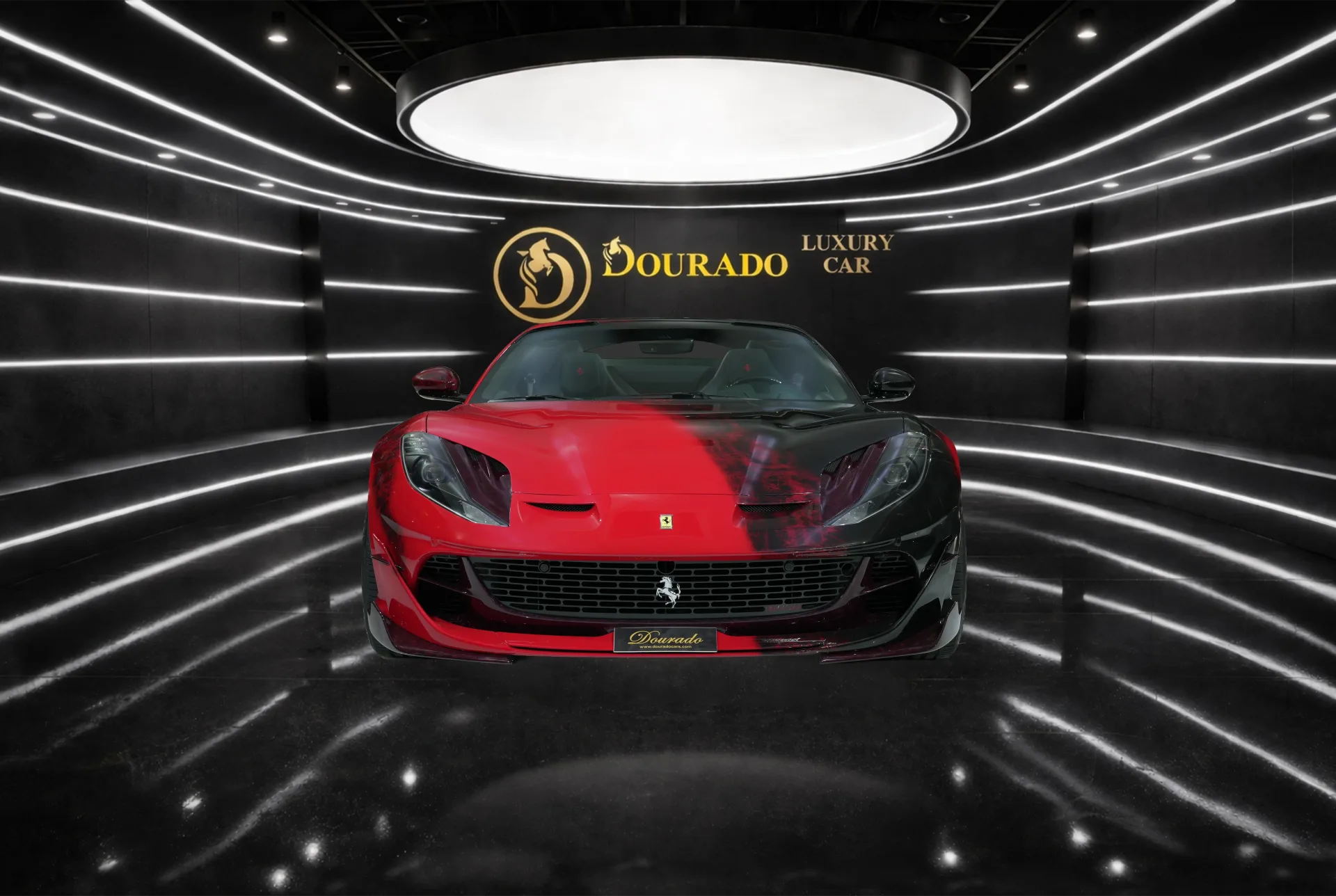
A limited-production Ferrari with the right factory carbon fiber, a Rolls-Royce finished in a one-off Bespoke specification, or a Novitec-enhanced Lamborghini is not found by simply filtering listings. Rare car sourcing is a focused acquisition process built around access, verification, timing, and the ability to recognize a genuinely exceptional car before someone else does.
For buyers with exact standards, the challenge is rarely deciding which badge they want. It is locating the precise year, specification, mileage range, color combination, and provenance that make the vehicle worth owning. The best examples move quickly, often privately, and frequently across borders. A successful search needs more than patience. It needs a clear brief and a trusted team that can act with confidence.
Why Rare Car Sourcing Is Different
A rare vehicle can be rare for several reasons. It may have a limited production run, such as a Ferrari special series or a Porsche GT model. It may be a high-demand specification that few original owners selected, like a Mercedes-Maybach in an exclusive designo finish. In other cases, rarity comes from condition: an ultra-luxury SUV with low mileage, complete documentation, protected paintwork, and a factory warranty is far more difficult to secure than the model name alone suggests.
Customization adds another level. A standard supercar is one thing. A properly executed Onyx Concept, Lumma, or Novitec vehicle with the correct visual package, wheels, exhaust, and interior treatment has a separate audience and a different value equation. The right build can make a car more distinctive and more desirable. The wrong modifications, incomplete records, or poor-quality installation can limit future appeal.
This is why sourcing should begin with a definition of what “right” means. A buyer who says they want a black G-Wagon may have hundreds of options. A buyer seeking a black Mercedes-AMG G 63 with a particular interior, approved upgrades, low mileage, documented servicing, and immediate availability has a highly specific acquisition brief.
Start With the Non-Negotiables
The strongest sourcing process begins before the search. Establish the details that are fixed and the points where you are prepared to be flexible. Model year, exterior color, cabin color, mileage, accident history, factory options, and price range are obvious considerations. For collectors and experienced enthusiasts, the details go further: original market specification, number of owners, service history, paint protection film, matching accessories, spare keys, and whether every factory item is present.
A useful brief also separates identity from preference. The identity of the car is the core: perhaps a limited-edition Lamborghini, a Rolls-Royce Cullinan in a particular Bespoke configuration, or a Porsche 911 GT3 RS with a defined option set. Preferences are the features that may be adjusted if the market requires it, such as wheel finish or a specific contrast stitching color.
That distinction keeps the search efficient. Holding out for every desirable detail can make a buyer miss a remarkable vehicle. Compromising too early can lead to acquiring a car that looks close enough on paper but never feels like the one you intended to own.
Rare Car Sourcing Requires Verification, Not Assumptions
A rare car's story affects its value, its ownership experience, and its resale strength. High-resolution photographs and video walkarounds are valuable, but they are the beginning of due diligence, not the end.
Provenance and documentation
Start with the vehicle identification number and the documentation that supports its history. Confirm the service record, warranty status where applicable, ownership background, and market origin. For special-edition cars, verify the edition details rather than relying on exterior badges or seller descriptions. A car represented as a limited model should have supporting documentation and specifications consistent with that claim.
Originality matters especially when the vehicle is positioned as collectible. Factory paint, original interior materials, correct wheels, and complete accessories can influence demand. This does not mean every desirable car must be untouched. A well-chosen, professionally installed customization can be part of its appeal. The point is to know exactly what is original, what has been added, and who performed the work.
Condition beyond the mileage figure
Low mileage is attractive, but it is not a complete condition report. A vehicle that has spent long periods stored without the proper care may require more attention than a higher-mileage example maintained diligently. Tires, brakes, battery health, suspension components, paint condition, underbody presentation, and interior wear all deserve review.
For modern exotics, technology also matters. Driver-assistance systems, infotainment, active aero components, hybrid systems, and electronic controls should be assessed carefully. A detailed inspection protects the buyer from surprises and gives a realistic view of immediate ownership requirements.
Specification that holds attention
Specification is often the difference between a good purchase and an unforgettable one. Certain combinations consistently command attention because they present the car at its best. Others are highly personal and can narrow the future buyer pool. Neither is automatically wrong. It depends on whether the buyer is building a collection, acquiring a weekend car, or choosing a statement vehicle for daily use.
The right advisor should be direct about this trade-off. A bold Bespoke interior may be precisely what makes a Rolls-Royce exceptional, while an unusual exterior color on a performance model may require more careful pricing. Exclusivity creates value when it is paired with good taste, quality, and market awareness.
Access Matters as Much as Search Skill
The most desirable cars do not always reach public inventory pages. Some are placed directly with known buyers, traded discreetly, or offered through established dealer relationships before they are formally marketed. This is where a sourcing partner's network becomes meaningful.
Directly owned inventory offers a major advantage because the vehicle is already under the dealer's control. Buyers can review accurate photographs, 360-degree views, video presentation, condition details, and availability without waiting for a third party to respond. For a buyer who has already made a decision, that speed matters.
At the same time, a strong sourcing service should not push existing stock when the brief calls for something else. The goal is not merely to place a buyer in a luxury car. The goal is to secure the exact car that fits the brief, whether it is ready in the showroom or requires a focused international search.
Dourado Luxury Cars combines a deep, directly owned luxury inventory with curated sourcing for buyers seeking vehicles that are difficult to locate elsewhere. That combination gives buyers a practical choice: move quickly on a showroom-ready example or commission a search for a more specific opportunity.
Pricing a Rare Vehicle With Clear Eyes
Rare does not always mean correctly priced. Asking prices can reflect real scarcity, but they can also reflect an emotional seller, a fashionable color, or a belief that every modification adds value. The buyer's task is to judge the complete vehicle, not just the headline description.
A fair evaluation weighs model demand, market availability, specification, mileage, condition, service needs, provenance, and the value of the included extras. Timing plays a role as well. A newly released performance model can attract a premium when supply is limited, while a more mature model may offer compelling value once the initial excitement settles.
For international purchases, the true cost should be understood before committing. Transport, insurance, taxes, registration requirements, local compliance, and delivery timing can alter the final figure. A transparent acquisition process identifies these items early, so the buyer is making a decision based on the complete ownership cost rather than an attractive initial price.
The Final Decision: Move Fast, but Stay Precise
When the right vehicle appears, hesitation can be expensive. Exceptional examples rarely remain available for long, especially if they combine a sought-after specification with low mileage, clean history, and competitive pricing. But speed should never replace verification.
The ideal approach is prepared decisiveness. Have your brief established, your budget ready, and your requirements clear before the car arrives. Then review the documentation, condition presentation, inspection findings, and transaction terms with the same attention you gave the search itself. This allows you to move quickly without making a rushed decision.
A rare car should feel exceptional long after the first drive. The right one is not simply hard to find. It is the vehicle with the story, specification, condition, and presence that make it impossible to replace. When that car appears, the right sourcing process turns a difficult search into a confident acquisition.